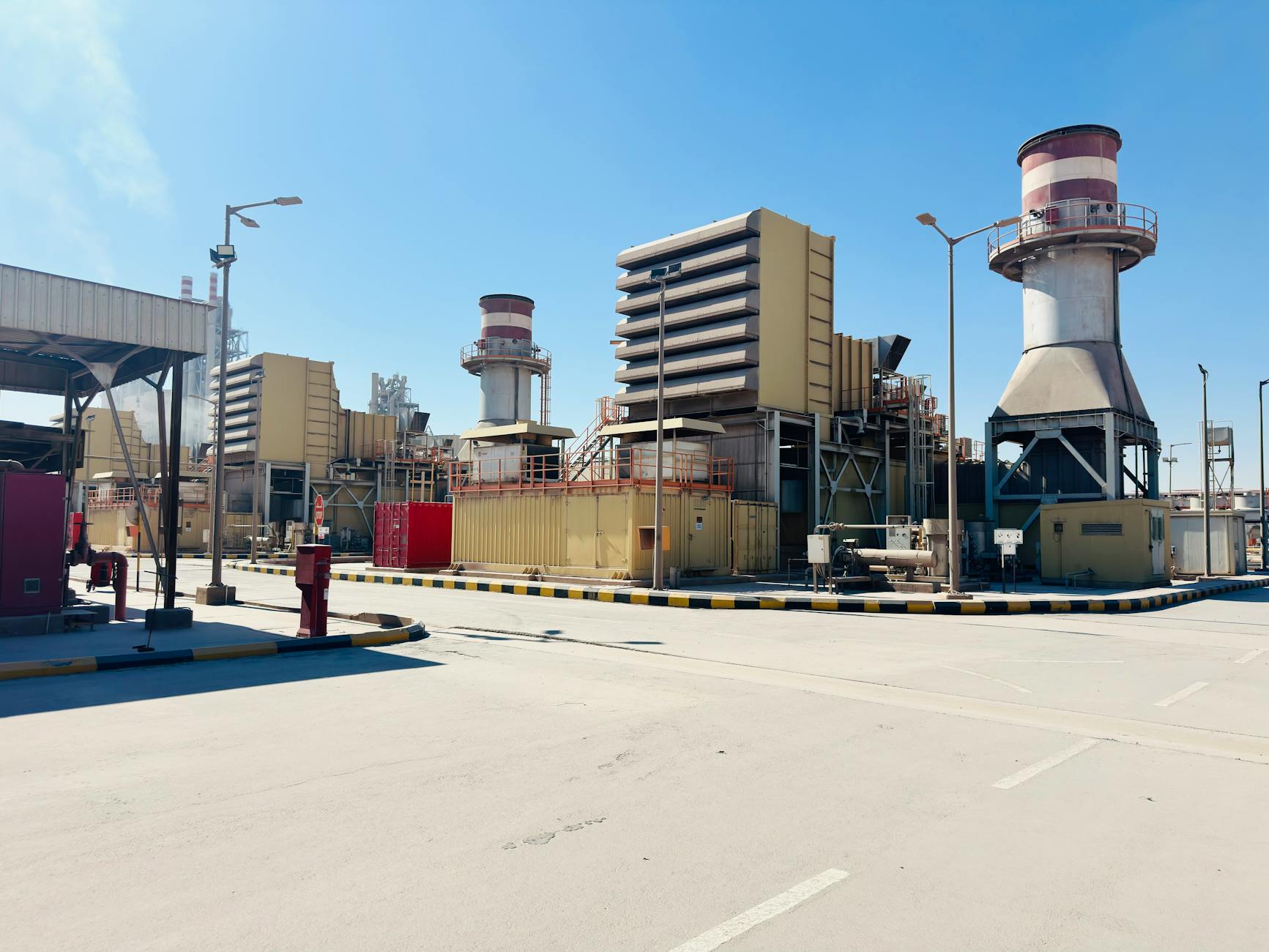
Which is Better? 50 KVA Lithium Inverter vs Diesel Generator

The breakdown is well-structured and clearly highlights the key differences between the two backup power solutions. Here are some additional points you might consider adding:
- Scalability: ESS systems can be easily scaled up or down by adding or removing battery modules, whereas diesel generators come in fixed sizes.
- Efficiency: ESS systems have higher energy efficiency compared to diesel generators, as there’s less energy loss during conversion.
- Grid Integration: ESS systems can be used for grid balancing and demand response programs, potentially providing additional revenue streams.

Here’s a breakdown of a 50 kVA energy storage system (ESS) compared to a diesel generator:
Energy Source and Emissions: –
- ESS: Stores energy from the grid or renewable sources (like solar) and releases it when needed. Zero emissions during operation.
- Diesel Generator: Burns diesel fuel to generate electricity. Produces air and noise pollution.
Running Costs:
- ESS: Relatively low running costs. Electricity cost depends on grid prices or solar generation if applicable.
- Diesel Generator: Higher running costs. Fluctuates with diesel prices and fuel consumption.
Maintenance:
- ESS: Minimal maintenance. Mostly electronic components with longer lifespans.
- Diesel Generator: Requires regular maintenance (oil changes, filter replacements) for optimal performance.
Start-up Time:
- ESS: Instantaneous power delivery during outages.
- Diesel Generator: Takes seconds to a minute to ramp up and provide power.
Other factors:
- ESS: May have a higher upfront cost than a diesel generator.
- Diesel Generator: Requires safe fuel storage and disposal considerations.
In summary:
- ESS is a cleaner and quieter option with lower running costs over time, ideal for applications where environment and noise are a concern.
- Diesel generators offer a more portable and potentially quicker start-up solution, but with higher running costs and environmental impact.

Choosing between them depends on your priorities:
- For frequent outages and ecological concerns, an ESS might be better.
Additional factors to consider:
- Future electricity costs: If you expect electricity prices to rise, an ESS with renewable energy integration becomes more attractive.
- Application: Consider critical loads and how long you need backup power.
This article is written by Mr. Kunwwer Sachdev, founder of Su-kam and known as Inverter Man of India.
From Kunwer Sachdev’s Network
Want to compare prices before you buy?
India’s independent price-comparison and buying-intelligence hub for inverters, batteries and solar — zero affiliate bias.
➤ Compare inverter & UPS prices
➤ Lithium vs lead-acid — full guide
➤ Free backup calculator (lab-tested data)
The story of Kunwer Sachdev — 76+ patents, India’s first plastic-body inverter, and the journey that brought solar into millions of homes.
➤ Pioneer timeline of firsts
➤ Video library — the work in his own voice
Part of the Series
Complete Guide to Lithium Batteries for Home Inverters in IndiaExplore Products
Su-vastika Lithium Batteries
25+ patents · Made in India · 10,000+ installations