Two machines that retire the generator
Battery Energy Storage System (BESS)
We take the diesel generator out of the building — for good.
- Hotels, offices, factories and societies run generator-free
- Silent and fuel-free — no smoke, no noise, no fuel bills
- Power switches over instantly — the lights don't even flicker
- Proven in India's first all-lithium hotel
Lift Inverter & Emergency Rescue Device
Lift backup that keeps people moving when the power goes.
- No one gets trapped — the lift reaches the nearest floor, doors open
- Works with lifts and escalators in any building
- Runs silently on lithium — no diesel in the basement
- Fit and forget — no fumes, no maintenance
Su-vastika in the headlines
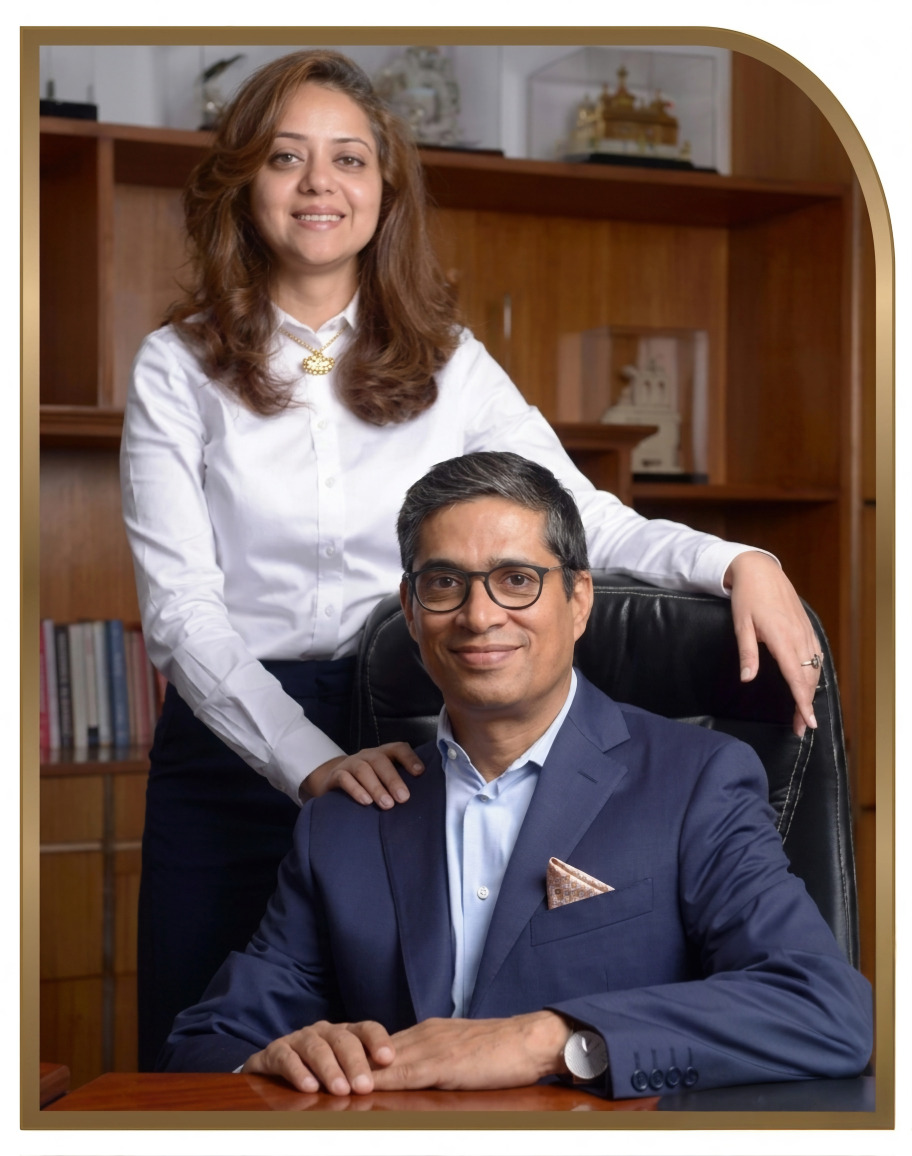
Kunwer Sachdev: The Solar Man of India
From selling pens to pioneering India's power-backup industry — the Inverter Man who became the Solar Man of India, now mentoring Su-vastika.

Su-vastika secures investment from Rotomag to expand energy storage solutions
Rotomag Enertec backs Su-vastika to expand lithium-based energy storage, solar and power backup across India and global markets.

Solar-powered centralized off-grid UPS for lifts in multi-storey buildings
How Su-vastika keeps lifts running — without a diesel generator in the basement.
From the Blog

GiftedKids.in — India's First Gifted Education Platform, Launched by Kunwer & Khushboo Sachdev
Our mentor Kunwer Sachdev and Su-vastika CEO Khushboo Sachdev, with Cambridge-trained specialist Dr. Inderbir Kaur Sandhu, have launched GiftedKids.in — India's first platform for identifying, nurturing and advocating for gifted children.

LithiumInverter.in — India's Only Independent Battery Price Tracker, Built by Our Mentor Kunwer Sachdev
India's only independent lithium battery price tracker — daily-updated LFP, EV, solar and BESS prices with zero brand bias.

From Su-Kam to Su-vastika: The Solar Man of India's Next Chapter
From Su-Kam's Rs 1,200 crore peak to Su-vastika's resurgence — how the Solar Man of India built, lost, and rebuilt an empire.

How One Entrepreneur Changed India's Power Backup Industry Forever
How the Solar Man of India reinvented power backup — from crude metal-box inverters to smart, affordable, mass-market solutions that powered millions of homes.

India Today's Innovation of the Decade: The Story Behind the Plastic-Body Inverter
The story behind the India Today Innovation of the Decade award — how the Solar Man of India turned plastic-body inverters into a national breakthrough.

The Inverter Man Who Became the Solar Man of India — Kunwer Sachdev's Journey
The Su-vastika team traces their mentor Kunwer Sachdev's extraordinary journey — from selling pens on Delhi streets to powering millions of homes with solar energy.
Talk to a Power Engineer
Tell us your load, runtime, and site conditions — we'll size the right UPS, lithium bank or solar hybrid system for your facility.
Frequently Asked Questions
What products does Su-vastika make?
Su-vastika manufactures lithium (LiFePO4) inverters and Home UPS, double-conversion Online UPS, heavy-duty IGBT UPS, solar hybrid PCUs, lithium battery banks, Battery Energy Storage Systems (BESS), and lift Emergency Rescue Devices (ERD) ranging from 850 VA to 500 KVA.
What is a lithium inverter and how is it different from a normal inverter?
A lithium inverter is a power-backup unit that pairs an inverter with a built-in LiFePO4 lithium battery instead of a lead-acid battery. It charges faster, lasts up to 6000 cycles, needs no water topping or maintenance, runs cooler, and delivers far more usable backup in a lighter, smaller package.
What is a Battery Energy Storage System (BESS)?
A BESS stores grid or solar energy in large lithium battery banks and releases it during outages or peak-demand hours, replacing diesel generators. Su-vastika builds single- and three-phase BESS from 4 KVA to 100 KVA and has installed systems as large as 200 KVA, with a roadmap to 1 MW.
Where is Su-vastika located and where are the products made?
Su-vastika designs and manufactures its products in-house at Ghamroj, near Sohna Toll Plaza, Gurugram, Haryana 122102, India. The same site houses the factory and the R&D lab.
Does Su-vastika export, and to which countries?
Yes. Su-vastika serves India and exports to 30+ countries across Asia, Africa, and the Middle East, including the UAE, Nigeria, South Africa, Kenya, Bangladesh, Nepal, and Sri Lanka.
How long do Su-vastika LiFePO4 batteries last?
Su-vastika LiFePO4 battery banks are rated for around 6000 charge cycles with an intelligent Battery Management System (BMS) for safety and long life — many times the lifespan of conventional lead-acid batteries.