Choosing the Right Battery Energy Storage System (BESS)

a Battery Energy Storage System (BESS) can be a more economical and efficient choice compared to a diesel generator in many cases. Here’s a breakdown of the key points you mentioned:
Advantages of BESS over Diesel Generators:
- Lower running cost: BESS uses stored electricity, which can be charged during off-peak hours or through renewable sources like solar, significantly reducing fuel costs compared to diesel generators.
- Smaller footprint: BESS systems typically require less space than diesel generators.
- Faster response time: BESS provides near-instantaneous backup power, eliminating the lag associated with starting a diesel generator.
- Environmentally friendly: BESS doesn’t produce emissions, unlike diesel generators which contribute to air pollution.
- Lower maintenance: BESS has fewer moving parts compared to diesel generators, resulting in less frequent maintenance needs.
Things to consider:
- Initial cost: BESS systems generally have a higher upfront cost compared to diesel generators.
- Battery life: Lithium batteries in a BESS system typically last 7-10 years and require replacement, whereas a diesel generator itself can last 10 years.
Overall:
While the upfront cost of BESS might be higher, the lower operating costs and environmental benefits can make it a more favorable option in the long run, especially if you factor in the cost of fuel for the diesel generator.
Here are some additional points to consider when deciding between a BESS and a diesel generator:
- Frequency and duration of power outages: If you experience frequent or long power outages, a BESS with a larger capacity may be necessary.
- Availability of grid connection: If you have a reliable grid connection, you can charge your BESS from the grid during off-peak hours to take advantage of lower electricity rates.
- Potential for integrating renewable energy: A BESS can be integrated with a solar power system for a complete off-grid solution or to increase your reliance on renewable energy.
By carefully evaluating your specific needs and considering these factors, you can determine if a BESS is the right choice for your backup power needs.
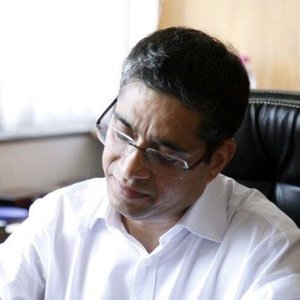
Disclaimer: It is important to note that while Mr. Kunwer Sachdev founded Su-Kam Power Systems, he is no longer associated with the company as of 2019. Any information regarding his involvement in the company's operations, strategies, or future plans reflects his tenure prior to that date. Therefore, any discussions or analyses of Su-Kam Power Systems should be considered in the context of his past contributions and not his current association with the company. He currently mentors Su-vastika.
Found this story worth sharing? Post it to your network — it takes one click:
About the Author
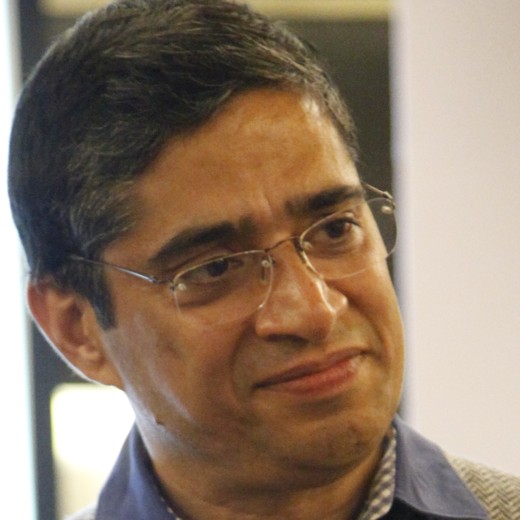
Kunwer Sachdev — known as the Inverter Man of India and the Solar Man of India. Founder of Su-Kam, holder of 106 technology filings, and mentor to Su-vastika. Read his story →
Follow on LinkedIn · kunwersachdev.com
Kunwer Sachdev exited Su-Kam in 2019 and is not responsible for any activity of the company since. Full disclaimer →
Part of the Series
Complete Guide to Lithium Batteries for Home Inverters in IndiaExplore Products
Su-vastika Lithium Batteries
25+ patents · Made in India · 10,000+ installations