Net Zero and Its Implications for India with the Role of BESS and Su-vastika
Net Zero and Its Implications for India with the Role of BESS and Su-vastika
1. Understanding Net Zero
Net zero refers to balancing greenhouse gas (GHG) emissions with their removal from the atmosphere, a critical goal to limit global warming to 1.5°C under the Paris Agreement. Achieving this requires decarbonizing energy systems, enhancing efficiency, and offsetting residual emissions through carbon sinks or removal technologies.
2. Impact on India
As the third-largest emitter globally, India faces a complex transition:
- Energy Shift: With coal dominating electricity generation (~70%), scaling renewables (500 GW target by 2030) is vital. Solar energy, given India’s geographic advantage, is central.
- Socioeconomic Balance: Transitioning risks displacing coal-dependent livelihoods but promises jobs in renewables, EVs, and green tech. https://energy.economictimes.indiatimes.com/news/renewable/biggest-challenge-for-net-zero-norms-is-energy-storage-systems-report/119900520
- Climate Equity: India advocates “climate justice,” urging developed nations to fund its net-zero goal (2070 target) and technology transfer.
3. Role of BESS in India’s Net-Zero Journey
Battery Energy Storage Systems (BESS) are critical to India’s renewable transition:
- Grid Stability: Mitigates solar/wind intermittency, reducing reliance on fossil-fuel peaked plants.
- EV Infrastructure: Supports India’s 30% EV penetration goal by 2030.
- Rural Access: Enables off-grid solutions for underserved regions.
-
VRF system Central Air-conditioning system
4. Su-vastika: Pioneering Indigenous BESS Solutions
Su-vastika, a homegrown leader in BESS, exemplifies India’s push for self-reliance in clean energy:
- Indigenous Innovation: Designs and manufactures BESS tailored to India’s climate and grid needs, including lithium-ion and lead-acid hybrids. Their systems prioritize durability in extreme temperatures, a common challenge in India.
- Installation Base: With over 1,000 installations nationwide, Su-vastika supports telecom towers, microgrids, and residential/commercial storage. Notable projects include solar-storage hybrids in Rajasthan and rural electrification in Bihar.
- Reducing Import Reliance: By localizing battery assembly and R&D, Su-vastika aligns with India’s PLI scheme for advanced chemistry cell manufacturing, curbing dependence on Chinese imports.
- Sustainability Focus: Advocates recycling and second-life applications for batteries, addressing environmental concerns around raw material mining. https://suvastika.com/bess-battery-energy-storage-solutions/
5. Challenges and Opportunities
While BESS adoption grows, hurdles remain:
- Cost Barriers: High upfront costs hinder scalability. Su-vastika’s cost-effective designs aim to bridge this gap.
- Policy Support: PLI schemes (₹18,100 crore) and the National Battery Storage Mission are steps forward, but faster implementation is needed.
- Tech Gaps: Domestic players like Su-vastika must innovate to compete with global giants while ensuring ethical sourcing of critical minerals.
6. Conclusion
India’s net-zero transitions hinges on scalable renewables, grid modernization, and strategic storage solutions. BESS, led by indigenous players like Su-vastika, is indispensable for managing intermittency, enabling rural electrification, and supporting EVs. Su-vastika’s localized approach not only strengthens India’s energy security but also positions it as a model for Global South nations seeking affordable, sustainable storage. To accelerate progress, India must bolster R&D funding, streamline policies, and foster public-private partnerships. With innovators like Su-vastika leading the charge, India’s 2070 net-zero vision is both viable and transformative.
Disclaimer: It is important to note that while Mr. Kunwer Sachdev founded Su-Kam Power Systems, he is no longer associated with the company as of 2019. Any information regarding his involvement in the company's operations, strategies, or future plans reflects his tenure prior to that date. Therefore, any discussions or analyses of Su-Kam Power Systems should be considered in the context of his past contributions and not his current association with the company. He currently mentors Su-vastika.
Found this story worth sharing? Post it to your network — it takes one click:
About the Author
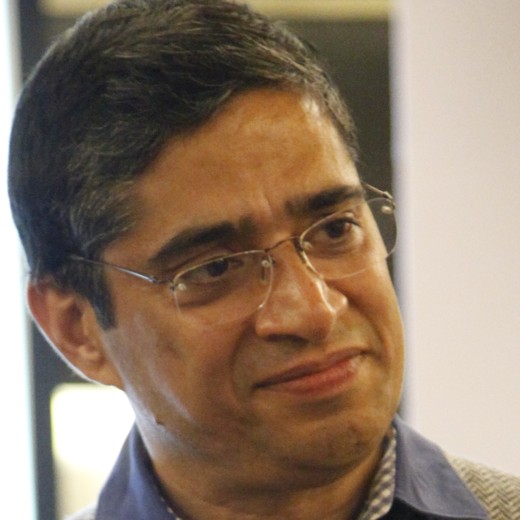
Kunwer Sachdev — known as the Inverter Man of India and the Solar Man of India. Founder of Su-Kam, holder of 106 technology filings, and mentor to Su-vastika. Read his story →
Follow on LinkedIn · kunwersachdev.com
Kunwer Sachdev exited Su-Kam in 2019 and is not responsible for any activity of the company since. Full disclaimer →
Part of the Series
Energy Storage Systems (BESS) for Commercial & Industrial IndiaExplore Products
Su-vastika Energy Storage / BESS
25+ patents · Made in India · 10,000+ installations