
Importance of DC push Surge Delay Switch
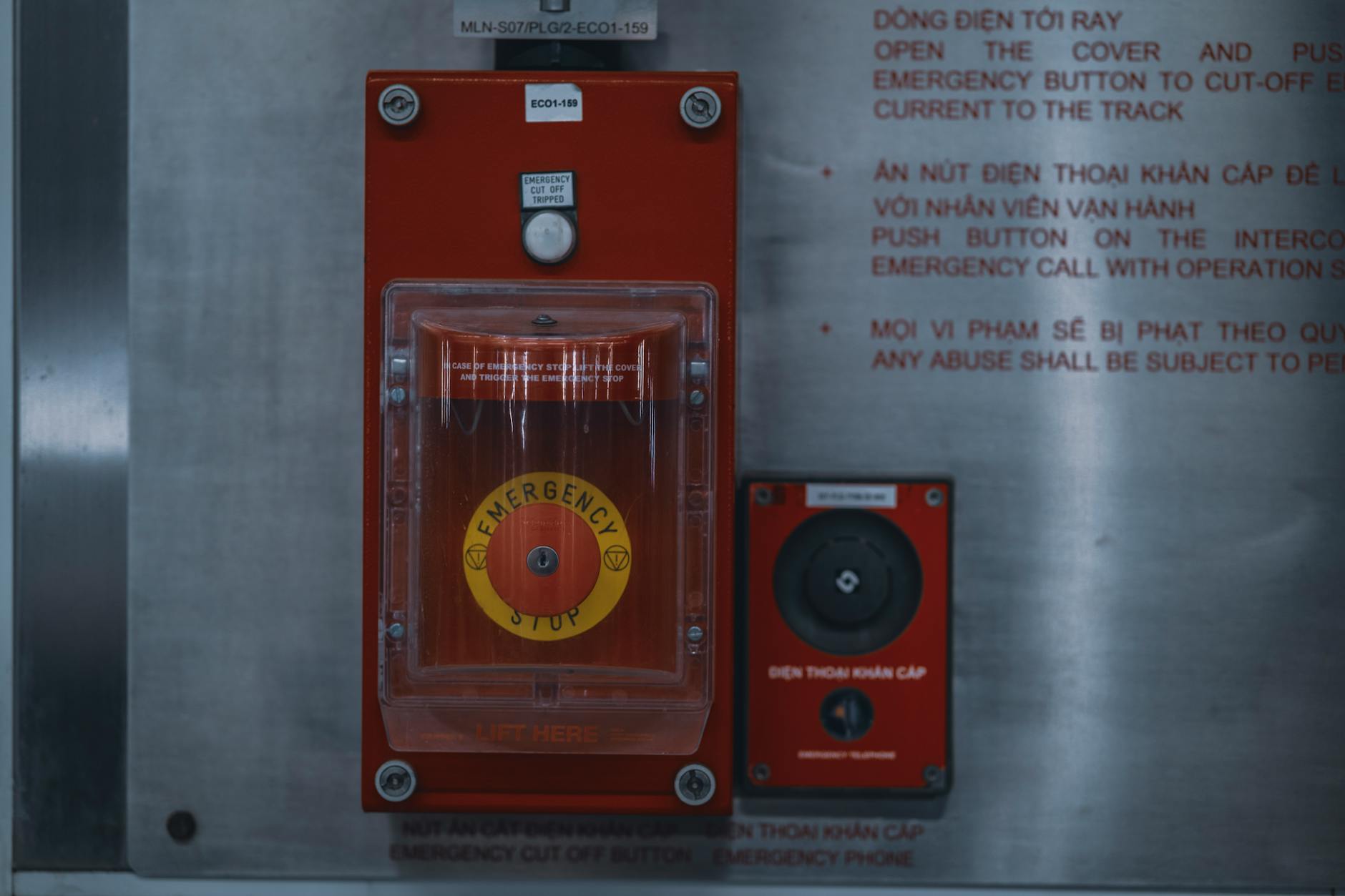
A DC surge-delay switch is crucial for safely connecting a lithium battery to an inverter/UPS, particularly during the initial installation. Here’s a detailed breakdown of its role, specifications, and best practices:
Purpose of the DC Surge-Delay Switch
- Inrush Current Management:
- When a lithium battery is first connected to an inverter/UPS, capacitors in the inverter draw a large surge current (inrush current) to charge. This surge can be 5–100 times the system’s steady-state current.
- Lithium batteries (with low internal resistance) can deliver this surge rapidly, risking damage to the inverter circuitry or BMS circuitry so this switch need to be pressed before switching the battery for the Inverter/UPS/ESS usage. In case this switch is not pressd before the switching on the DC MCB of an Inverter/UPS/ ESS then the mosfet or IGBT of an Inverter can burn or BMS can fail once the Kithium ion battery is connected for the first time. Once the battery is connected then the use of the switch is over and will be operated only when the battery is changed or battery is disconnected fir any service reasoning.
- Preventing Arcing/Welding:
- Standard DC switches may fail due to arcing during connection, especially under high surge loads. A surge-rated switch is designed to handle these transient currents without welding contacts or degrading. The DC MCB is installed after this delay switch so that the DC current get delayed before reaching to the DC MCB for the safety of BMS and Inverter/UPS circuitry.
Key Specifications for the Switch
- High Inrush Current Rating:
- Must tolerate momentary surges (e.g., 100–500A for residential systems) without damage.
- Example: A switch rated for 48V DC, 100A continuous, with 1000Amp inrush capability.
- DC Voltage Rating:
- Matches the battery bank voltage (e.g., 12V, 24V, 48V).
- Ensure it’s explicitly rated for DC (arc suppression differs from AC).
- Interrupt Capacity:
- Ability to safely disconnect under load (critical for fault protection).
- Safety Certifications:
- For getting the safety certificates of the Lithium Inverter/UPS/ESS this DC switch is the basic requirement .
- Robust Construction:
- Materials like ceramic or reinforced thermoplastics resist heat/arcing.
Installation Best Practices
- Pre-Charge Circuit: The rating of resistance circuitry as per the wattage of Discharge current and the capacity of Inverter/UPS rating is very important to understand.
- Proper Sizing:
- Select a switch with a continuous current rating exceeding the inverter’s max draw (e.g., 5 times the rating of continuous inverter’s rated current).
- Polarity and Wiring:
- Ensure correct polarity to avoid reverse-connection damage.
- Use thick, low-resistance cables to minimize voltage drop.
- Fusing:
- Add a DC-rated fuse or circuit breaker near the battery for overcurrent protection.
Example Products
- User manual delta explains this push switch
- Su-vastika is putting these switches in most if it’s product range which has the Lithium battery compatible products.
Why Standard Switches or DC MCB Fail
- AC switches lack DC arc suppression, leading to contact welding.
- Undersized switches overheat or fail catastrophically during surges.
By using a surge-rated DC switch and following best practices (e.g., pre-charge circuits), you ensure safe, reliable integration of lithium batteries with inverters/UPS systems. Always consult the inverter/battery manufacturer’s guidelines for specific requirements.
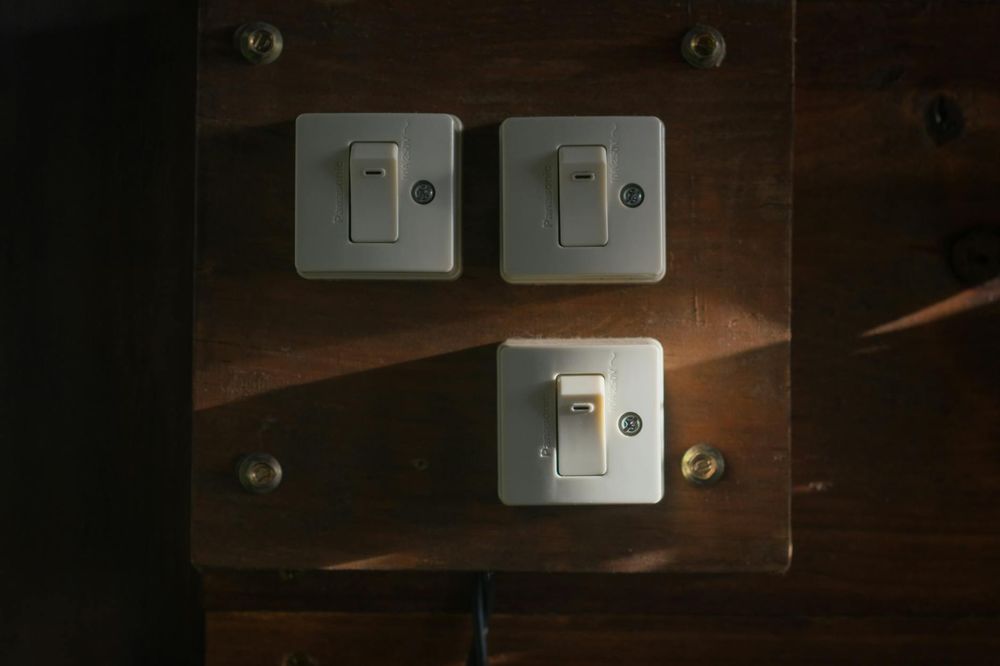
PRESS BUTTON FOR 5 SEC BEFORE SWITCH ON THE BATTERY MCB. Once this switch is pressed for 5 seconds there is a beep sound comes out of Inverter/UPS which confirms that the battery can be connected by switching on the battery MCB in the Inverter/UPS/ESS/ERD.
Conclusion: All the High capacity Lithium Inverter/UPS/ESS should have the DC delay switch before connecting to the Lithium battery for the safety of Inverter/UPS as well the smooth functioning of BMS installed in the Lithium battery system.
This blog is written by Kunwwer Sachdev founder Su-kam known as Inverter Man of India.

Disclaimer: It is important to note that while Mr. Kunwer Sachdev founded Su-Kam Power Systems, he is no longer associated with the company as of 2019. Any information regarding his involvement in the company's operations, strategies, or future plans reflects his tenure prior to that date. Therefore, any discussions or analyses of Su-Kam Power Systems should be considered in the context of his past contributions and not his current association with the company. He currently mentors Su-vastika.
Found this story worth sharing? Post it to your network — it takes one click:
About the Author

Kunwer Sachdev — known as the Inverter Man of India and the Solar Man of India. Founder of Su-Kam, holder of 106 technology filings, and mentor to Su-vastika. Read his story →
Follow on LinkedIn · kunwersachdev.com
Kunwer Sachdev exited Su-Kam in 2019 and is not responsible for any activity of the company since. Full disclaimer →